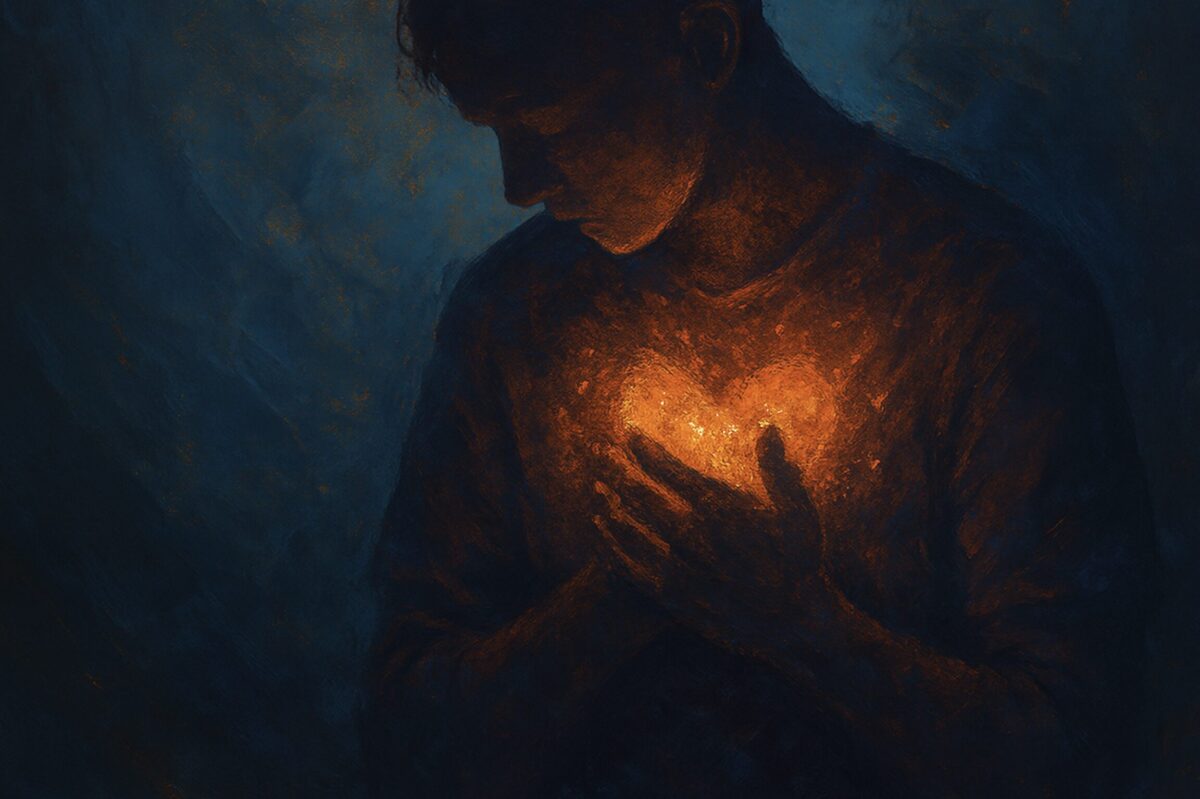
Trauma can leave us constantly anticipating danger, even when life feels relatively calm. Islands of safety and glimmers offer two complementary ways to recognise moments of comfort, connection and regulation. Explore how simple daily practices can help you develop a greater capacity to experience and trust safety.
Dorsal Collapse : When You Shut Down to Survive
Dorsal collapse can leave us feeling exhausted, disconnected and unable to engage with life. Understanding this nervous system shutdown response can help us recognise why it happens and how to gently move back towards connection.
Catharsis and Healing: Why Intensity Isn’t Transformation
Catharsis can bring suppressed emotion to the surface, but emotional intensity alone does not create healing. Lasting change happens through integration and the gradual expansion of our capacity to stay with what emerges.
Sexual Sublimation: From Compulsion to Transmutation
Sexual sublimation is often misunderstood as repression or loss of desire. This article explores how libido turns inward during integration, trauma healing, and psychological maturation.
Integration in Therapy : Letting the Work Settle
Integration is the quieter phase of inner work that follows insight and emotional opening, when the psyche needs time to reorganise and meaning is allowed to settle.
Buddha Mind vs Trauma Mind: When Presence Isn’t Peace
Not all presence is born from peace. Sometimes living in the now is a survival response, not a choice. This piece explores the Buddha mind vs Trauma mind, and how stillness can arise from either liberation or protection.
Healthy Shame and Healing: How It Leads to Transformation
Shame is often seen as something to overcome – but not all shame is destructive. This article explores the difference between toxic and healthy shame, and how the right kind of shame can support growth, deepen integrity, and create lasting transformation.
The Cocoon Phase : Transformation in the Space Between Identities
The Cocoon Phase is a tender and confusing space. There’s a moment in our lives when everything familiar begins to fall away. Old patterns lose their grip. Roles that once defined us feel distant. We’re no longer who we were, yet we’re not quite who we’re becoming either. There is the death of the known, without the comfort of the new.
Why We Resist Truth: Facing What Sets Us Free
We often say we want the truth, but when it finally arrives, our body says no. This piece explores why truth can feel dangerous, and how healing means learning to hold it gently, without overwhelm.