


Conversations around personal growth, spiritual and psychological sometimes treat inner work as though it all leads to the same place. Healing, purpose, awakening, shadow work… it all blends together until the distinctions disappear. In reality, integration, self actualisation and enlightenment describe three very different movements of human development.
Integration makes you psychologically whole.
Self actualisation brings your potential into the world.
Enlightenment dismantles the illusion of the self entirely.
When these paths are confused, people often chase the wrong medicine. Someone looking for emotional stability ends up pursuing transcendence. Someone searching for purpose spends years analysing their childhood. Another person has genuine spiritual insight while their psychological wounds remain untouched.
Clarity matters here; these are not stages of the same ladder. They are three different axes of inner work, each valuable in its own way and each carrying blind spots when pursued in isolation.
Integration: Becoming Whole
Integration belongs primarily to the psychological domain. It concerns the relationship between the different parts of the psyche and the nervous system that holds them.
Depth psychology has long recognised that the human mind is rarely unified. Jung described unconscious complexes and the shadow. Newer approaches such as Internal Family Systems speak of parts that carry wounds, strategies and protective roles. Somatic therapies emphasise how these patterns live in the body as states of activation, contraction or collapse.
When aspects of the psyche remain unintegrated, life begins to feel fragmented. One moment confidence is present, the next moment shame or rage suddenly floods the system. Relationships trigger disproportionate reactions. Old survival responses emerge even when the current situation is relatively safe.
Integration does not remove these parts.
It changes the relationship with them.
Someone who has done deep integration work recognises their internal landscape without being constantly taken over by it. Anger can move through the body without destroying connection. Shame can be felt without collapsing the entire sense of identity. Younger wounded parts are no longer rejected or hidden but held with curiosity and care.
The aim is not transcendence or perfection; it’s coherence.
Instead of competing inner voices pulling in different directions, a person gradually develops the capacity to remain present while multiple aspects of the psyche coexist. Emotional activation still occurs, yet recovery tends to be faster and less destabilising. Projection onto others reduces because more of the psyche has been consciously reclaimed.
Practices such as parts work, trauma processing, shadow work and somatic regulation all support this movement. Experiences that once overwhelmed the system are slowly digested. Over time the internal world becomes less chaotic and more coordinated.
Integration makes a person whole. It does not automatically make them visible, successful or spiritually realised.
Self Actualisation: Becoming Expressed
Self actualisation moves in a different direction. Where integration turns inward toward psychological coherence, self actualisation moves outward into expression.
Humanistic psychologists such as Abraham Maslow described self actualisation through the Hierarchy of Needs as the unfolding of one’s potential. Values begin to translate into action. Talents find form. Creativity, contribution and personal vision start shaping how someone moves through the world.
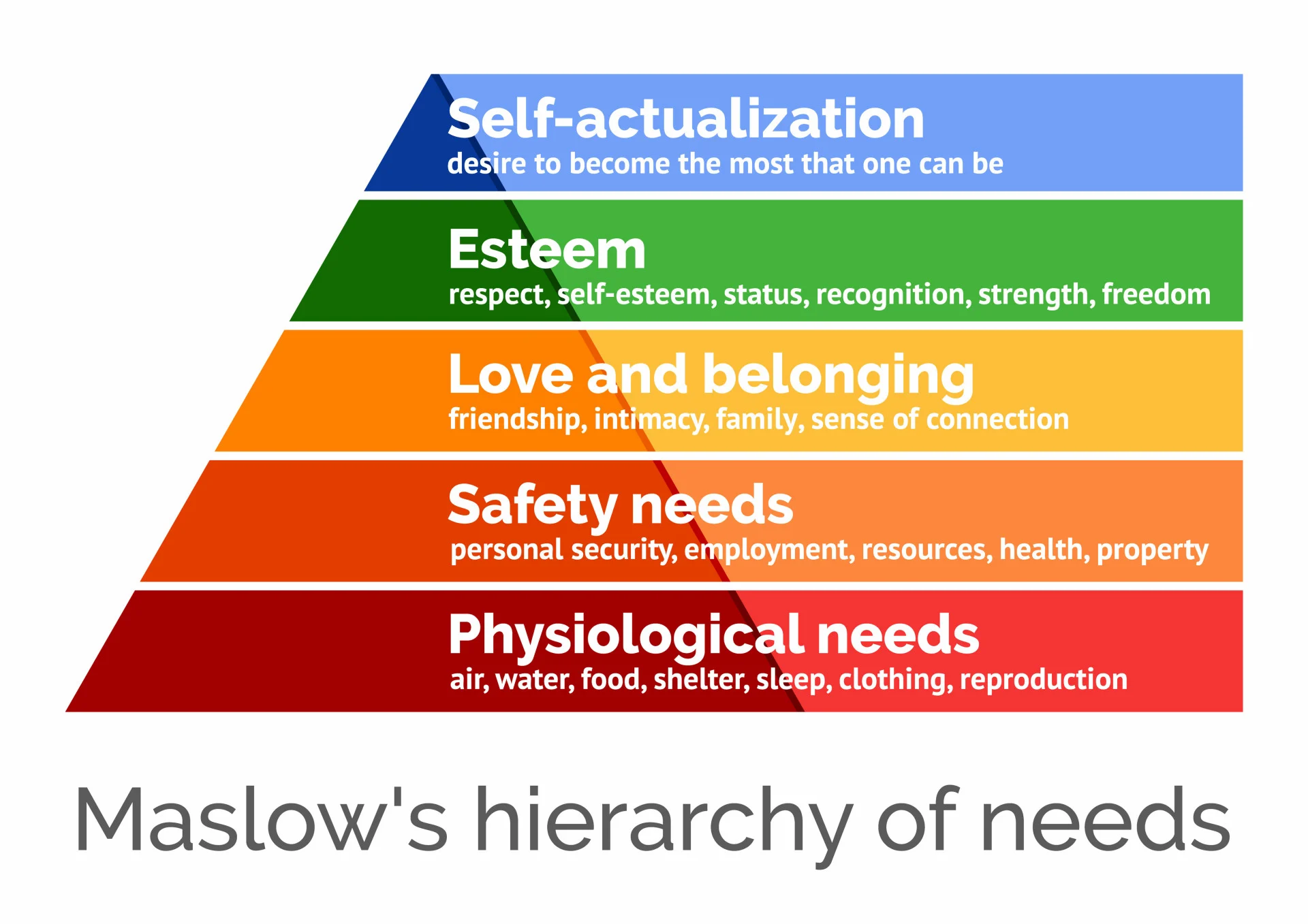
A self actualised person is not necessarily free of wounds. Psychological complexity remains; yet the individual is actively engaged with life. Energy flows toward building, creating, connecting and expressing something meaningful.
Artists absorbed in their craft, entrepreneurs bringing ideas into reality, activists committed to change, or therapists devoted to their work can all embody aspects of self actualisation. They are not waiting for perfect internal harmony before acting. Life itself becomes the arena through which potential unfolds.
This outward movement often generates vitality and direction. At the same time, it tends to expose unresolved psychological material. Visibility, responsibility and creative risk place pressure on the system. Fault lines that remained hidden in quieter environments frequently emerge once someone steps more fully into their path.
For this reason, self actualisation and integration do not always develop together. Some individuals build remarkable careers or contributions while remaining internally fragmented. Others cultivate deep emotional awareness and healing yet struggle to translate that clarity into outward expression.
Self actualisation makes a person expressed. It does not guarantee psychological wholeness or spiritual awakening.
Enlightenment: Seeing Through the Self
Enlightenment belongs to the spiritual domain rather than the psychological one.
Within traditions such as Buddhism and Zen, awakening refers to the realisation that the self we usually identify with is not a fixed entity. Thoughts, emotions and identities arise within awareness rather than defining it. The deeper nature of mind is not a story, but the awareness of the stories.
This recognition can profoundly alter the experience of suffering. Identification with thoughts loosens. Emotions continue to arise but they no longer need to define identity. Life unfolds with greater spaciousness because the sense of a solid self at the centre of everything begins to soften.
Yet enlightenment is often misunderstood.
Awakening does not automatically resolve trauma. It does not repair attachment wounds or teach relational maturity. A person can experience profound spiritual insight while still carrying psychological patterns that influence how they treat others.
This is where spiritual bypassing appears. Spiritual language and practices can sometimes be used to avoid psychological work. Pain becomes labelled illusion instead of something that needs to be felt and integrated. Boundaries dissolve under the idea that everything is one. Relational harm can follow when unresolved wounds remain hidden behind spiritual authority.
Genuine awakening does not deny psychological reality. It simply reveals another layer of truth.
Enlightenment shows that the self is constructed. It does not replace the need for integration or mature human development.
Where These Paths Become Confused
Confusion appears when these three movements are treated as a single journey.
A highly productive leader may look powerful and confident while remaining deeply unintegrated. Their creative drive expresses self actualisation, yet unresolved trauma quietly shapes their relationships.
A trauma survivor may spend years doing therapy and personal development, gaining insight and emotional awareness, yet never step fully into the world with their gifts. Integration deepens while expression remains limited.
A spiritual teacher may experience genuine awakening while still acting from unexamined psychological patterns. Enlightenment is present at the level of perception while integration remains incomplete at the level of personality.
Each path reveals something important. Each also carries blind spots when pursued alone.
Seeing these distinctions does not diminish any of them; it simply restores clarity.
A Clean Framework for Inner Work
When the threads are separated, the framework becomes simple.
Integration makes you whole.
Self actualisation makes you expressed.
Enlightenment makes you empty of illusion.
These movements can support one another, yet they are not interchangeable.
Psychological healing stabilises the nervous system, creative expression gives life direction and vitality and spiritual insight loosens identification with the ego.
When all three begin to mature together, something quietly grounded emerges.
The person does not need to perform their healing or advertise their awakening.
Emotional storms still arise but they no longer dominate the landscape.
Purpose unfolds through action rather than constant searching.
Identity softens without collapsing into confusion.
True depth rarely looks dramatic from the outside, it carries a sense of quiet solidity. The evidence appears in how someone lives, relates and move through the ordinary moments of life.
